
October EB Medical Research has conducted 9 clinical studies in the field of health nutrition, dairy, probiotics and dietary supplements. This is a fast-growing area of clinical research and one where our operational experience, subject database and laboratory infrastructure give sponsors a distinct advantage.
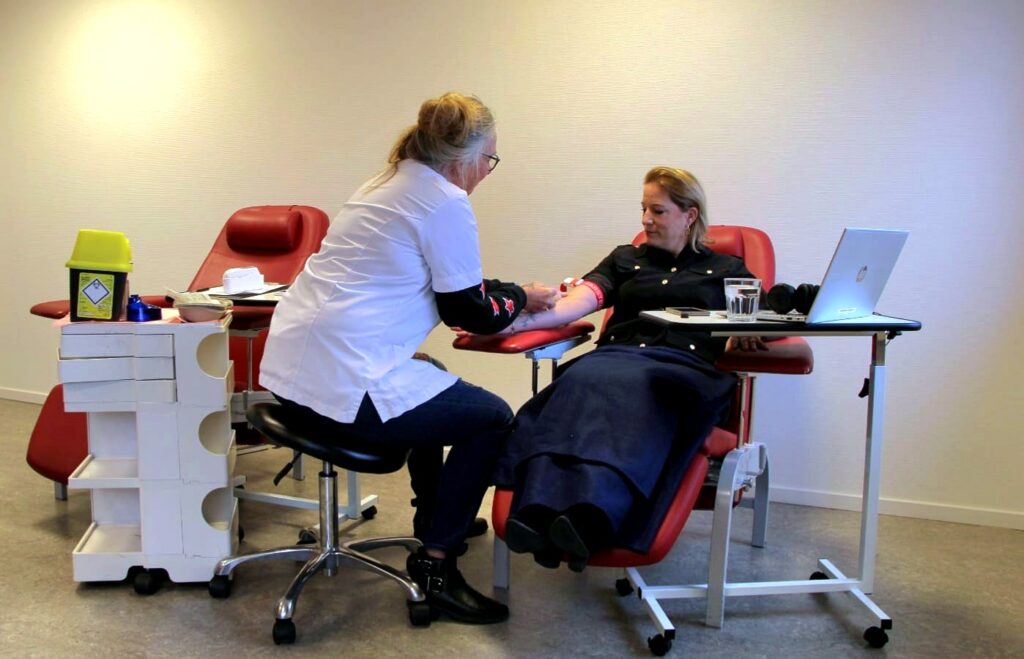
Studies typically involve healthy volunteers and include blood sampling and/or stool collection, with intensive PK sampling protocols (up to 16 blood draws per visit).
Our nutrition studies have ranged from 20 to 140 subjects, depending on study design and indication. Smaller crossover studies (20–45 subjects) are common for PK-studies, while larger parallel group designs have required up to 100–140 subjects. We have successfully delivered across this full range.
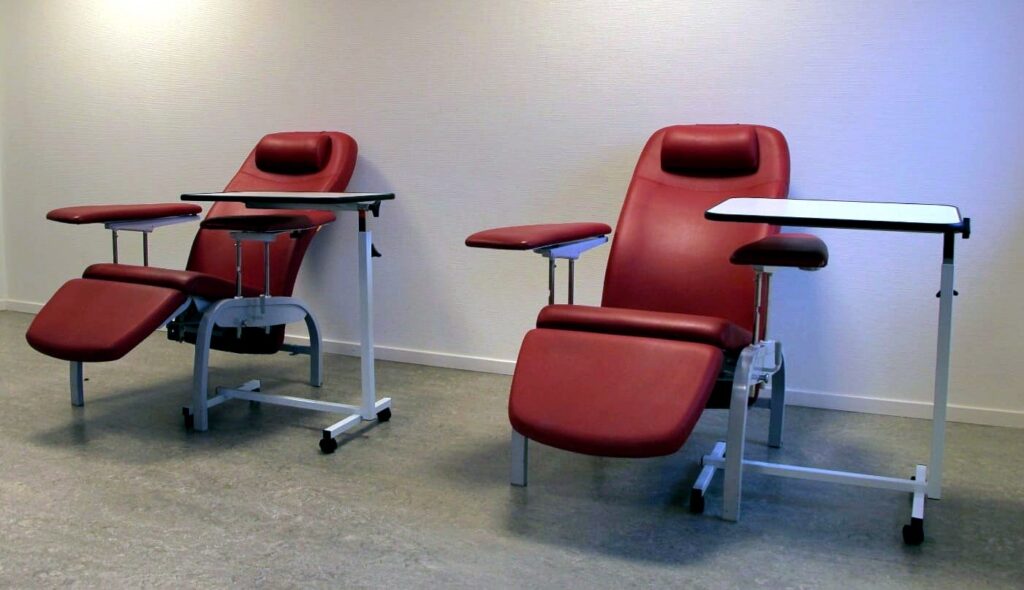
Our Almere site is equipped for the specific demands of nutrition research:
For nutrition studies, recruitment of healthy volunteers is often the critical path. At EB Medical Research, this is one of our strongest capabilities.
Our database:
Before recruitment starts, we assess the expected recruitment strategy based on the study’s inclusion and exclusion criteria, subject burden, compensation level and recruitment period. This assessment informs our advice on whether additional support, such as an external recruitment agency, is needed to meet enrollment targets within the required timeline.
We are continuously working to optimize the response to our recruitment calls. A single, concise message with a direct call-to-action and an integrated option to schedule an information call consistently delivers high response rates. For specific age groups or profiles, we activate participant referral, which has reliably filled slots in every study to date.
Global food & nutrition company | Healthy volunteer study | 23 subjects enrolled
A randomised crossover study comparing postprandial amino acid uptake kinetics of two dairy products in healthy adults aged 22–40. Subjects visited the site twice, fasted, and received each product in randomised order. Blood was sampled 14 times over 4 hours per visit to measure plasma amino acid levels.
Food and nutrition companies invest in clinical research for two fundamental reasons:
Understanding how nutrients and food components travel through the body. Their absorption, the timing of bioavailability and metabolic pathways provides the foundation for developing better, more effective products. This is the science behind product innovation.
In the EU, any health claim on a food product must be scientifically substantiated and approved by EFSA. Human intervention studies are at the top of the evidence hierarchy, without them, a claim application will not succeed.
The quality of your clinical evidence is the single most important factor in that outcome.
EB Medical Research brings the operational expertise to execute your study with the quality and precision that EFSA demands. We don’t write protocols, but we do think along with you about practical feasibility: subject availability, ethical considerations, sample processing timelines and logistical constraints. That input early in the process can save significant time and cost downstream.
Nutrition research in the Netherlands falls under Dutch law, specifically the Medical Research Involving Human Subjects Act (Wet Medisch-Wetenschappelijk Onderzoek met mensen, WMO), and requires approval from an accredited Medical Research Ethics Committee (METC). The regulatory pathway differs from pharmaceutical trials (food products are not IMPs), but studies must still meet rigorous scientific and ethical standards.
The Central Committee on Research Involving Human Subjects (CCMO), the Dutch national body overseeing medical research ethics, has published specific guidance for nutrition research, including a decision tree to determine whether a study qualifies as food research under the WMO. EB Medical Research is familiar with this regulatory landscape and can help sponsors navigate it at the feasibility stage.
Whether you are planning your first nutrition study or looking for a reliable site to add to your network, we are happy to discuss feasibility.
We respond within 48 business hours